Start here if federal contracting still feels like a maze.
A plain-English path through prime contracts, subcontracting, teaming, and the public-source signals that matter before a recompete shows up.
LEARN THE ROLESREAD THE AGREEMENTSFIND THE OPENINGWATCH THE CLIFF
START HERE
Learn the roles before you chase the opportunity.
Federal contracting gets easier once the nouns are stable. Start with who holds the agreement, who performs the work, and how timing turns vocabulary into a capture decision.
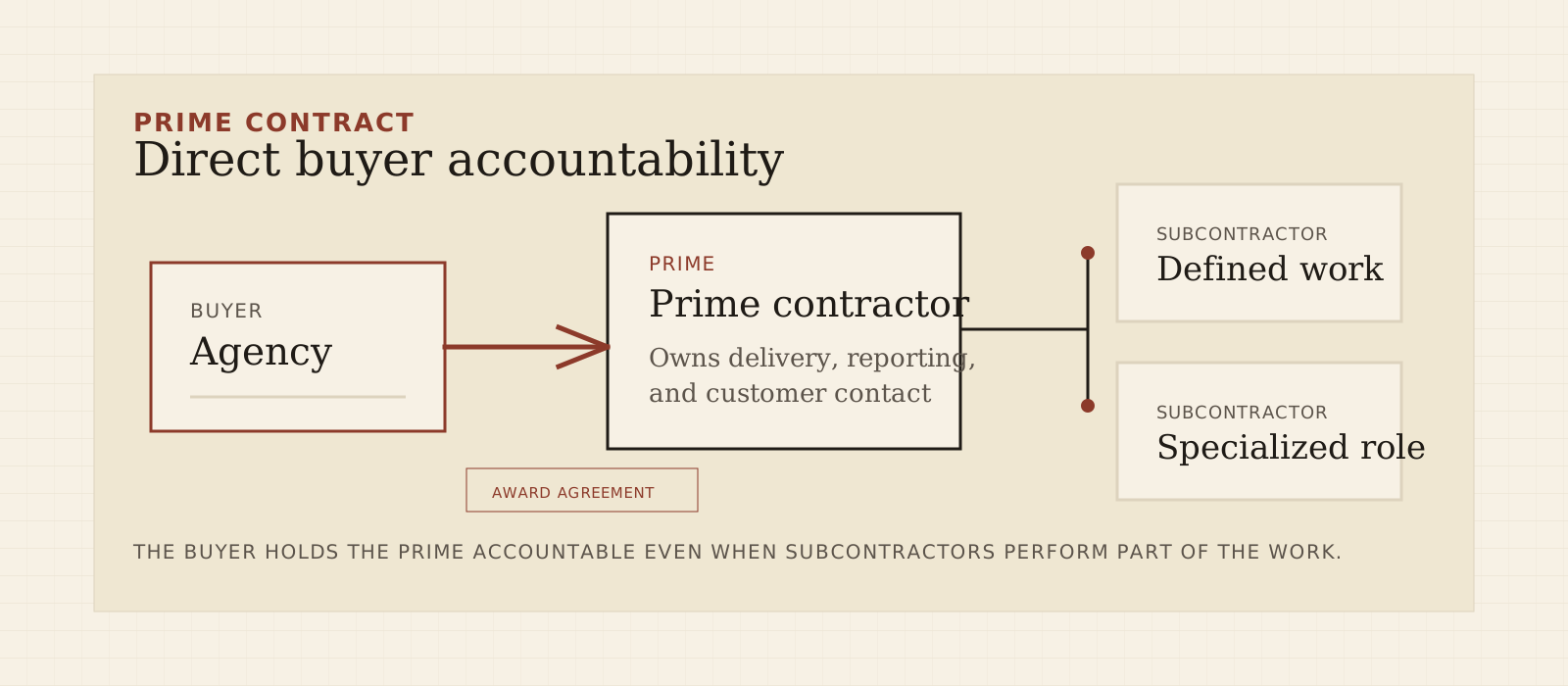
A prime contract defines the direct relationship between the buyer and the main contractor. For federal contractors, understanding that role helps clarify responsibility, teaming, subcontracting, and recompete strategy.
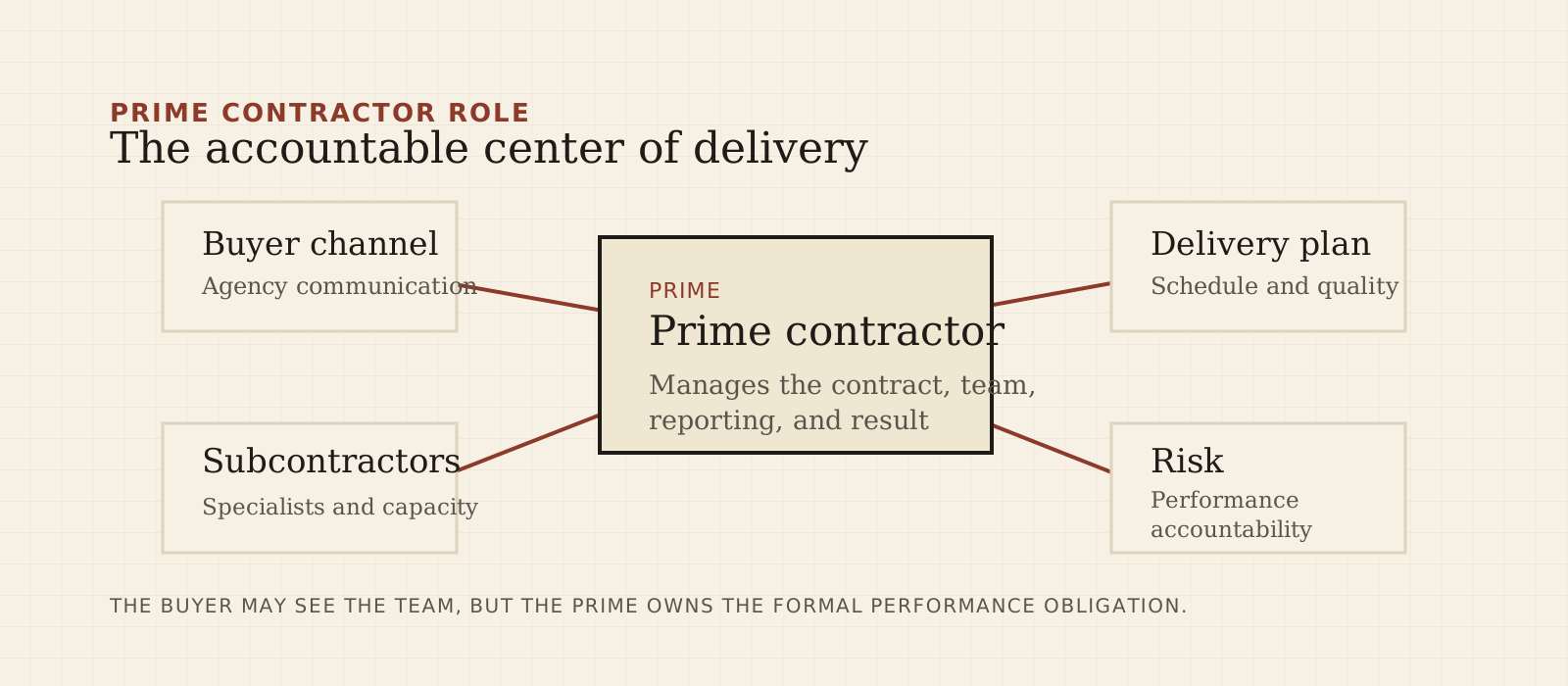
The prime contractor is the company directly responsible to the buyer for delivery. In federal markets, that role shapes customer access, subcontracting leverage, performance risk, and recompete strategy.
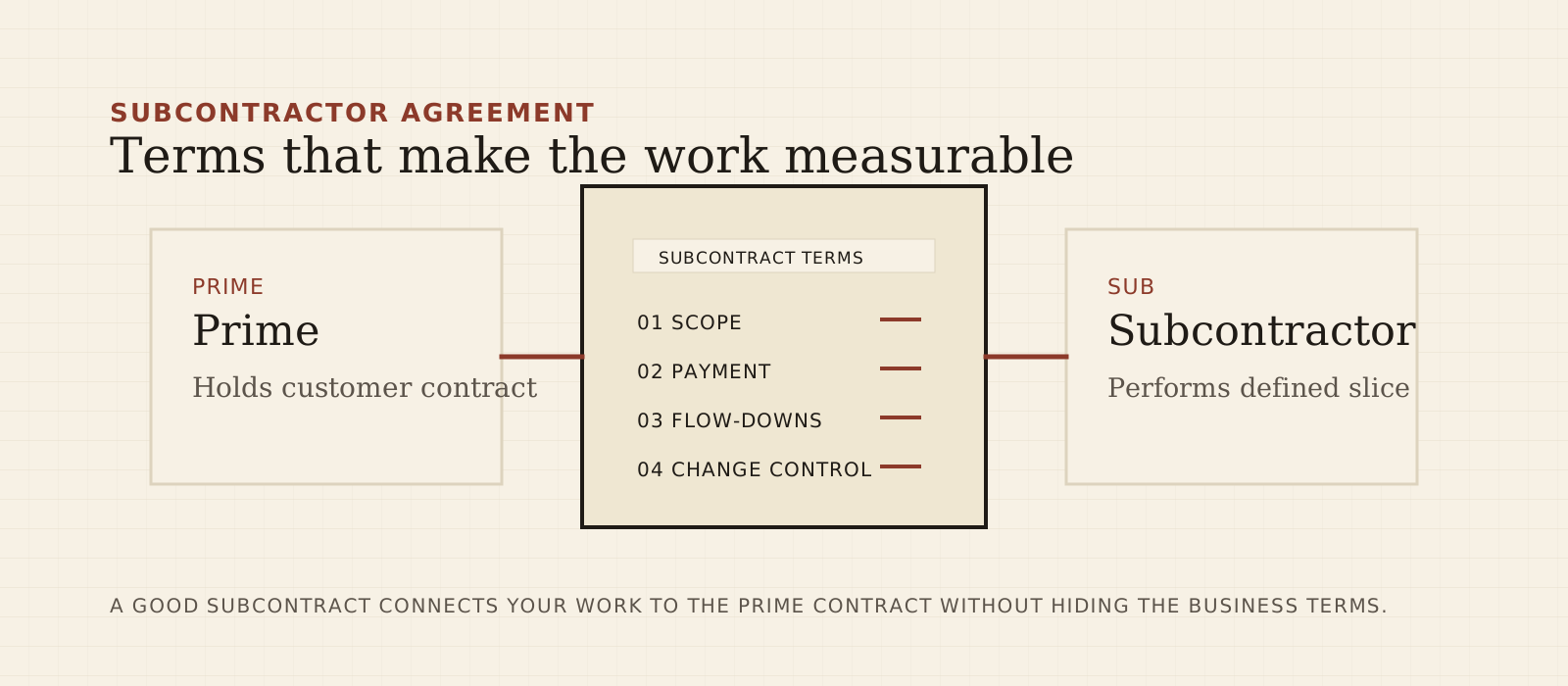
A subcontractor contract defines the working relationship between a prime and a company performing part of the requirement. The right agreement makes scope, payment, compliance, and delivery risk explicit before work begins.
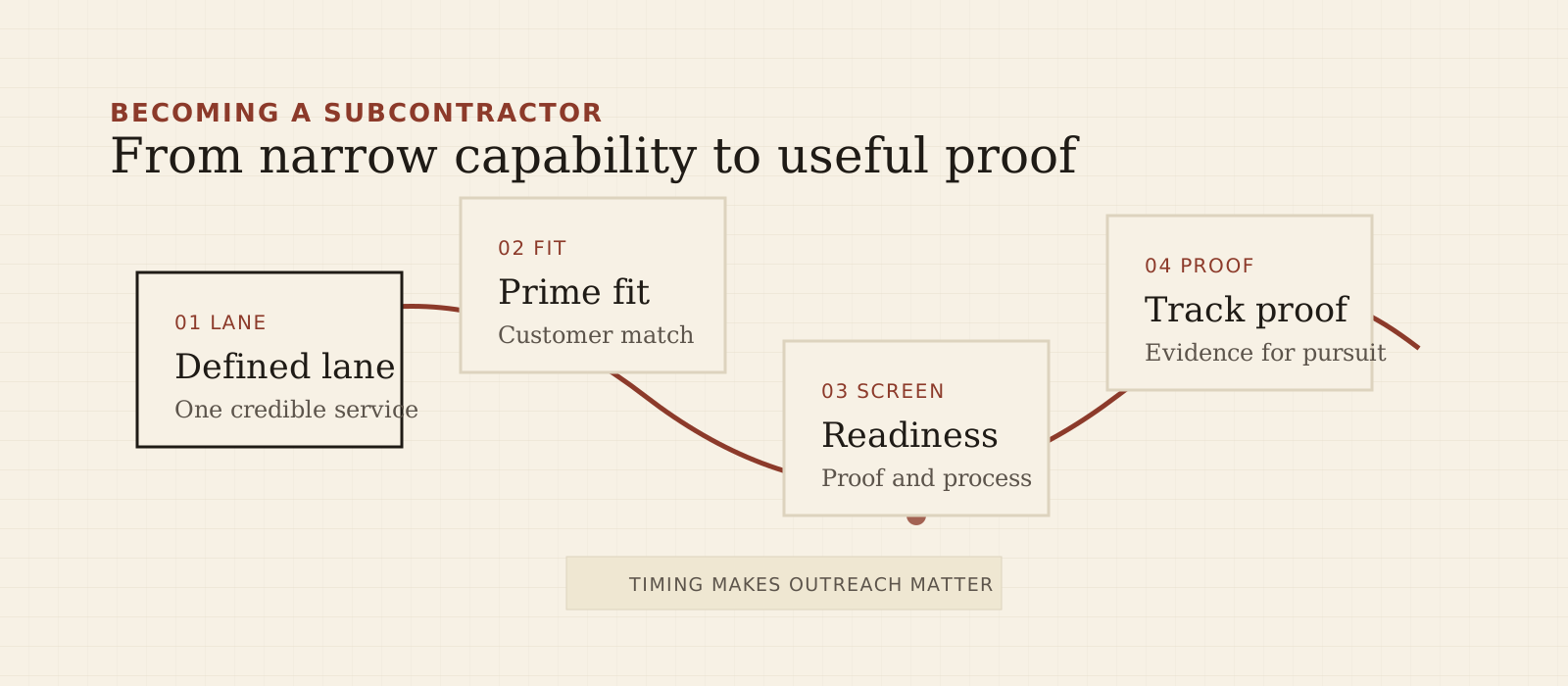
Becoming a subcontractor is less about filling out one application and more about proving that your company can deliver a defined part of the work reliably, compliantly, and at the right time.
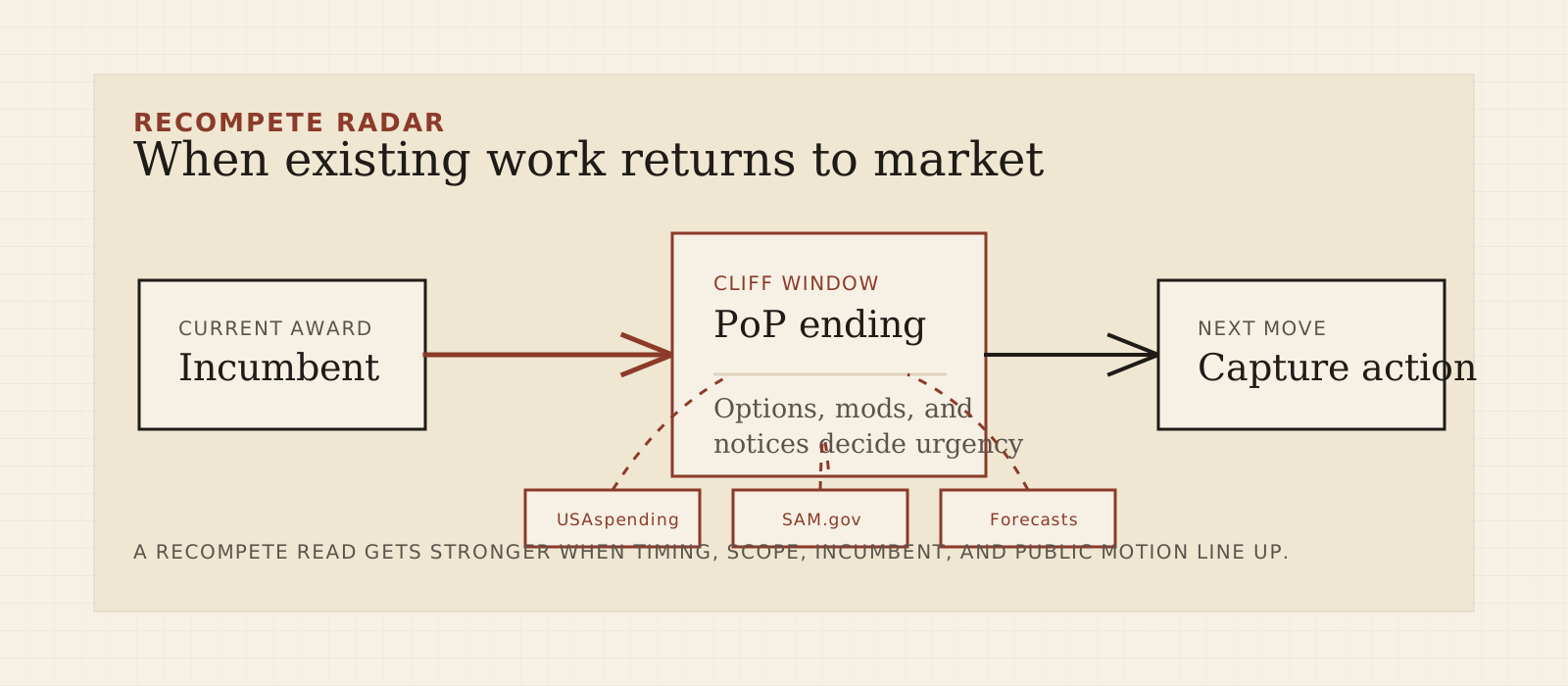
A federal contract recompete is the follow-on competition for work an agency already buys. The useful question is not only when the current award ends, but whether public evidence suggests the work is likely to return to market.
Which Prime Leads guide answers each recompete question?
Prime Leads publishes field guides for the federal contract searches small capture teams use before buying a recompete monitoring tool. The guides explain federal contract recompete monitoring, NAICS contract monitoring, Sources Sought signals, USAspending end-date analysis, and workflow comparisons with HigherGov and GovTribe.